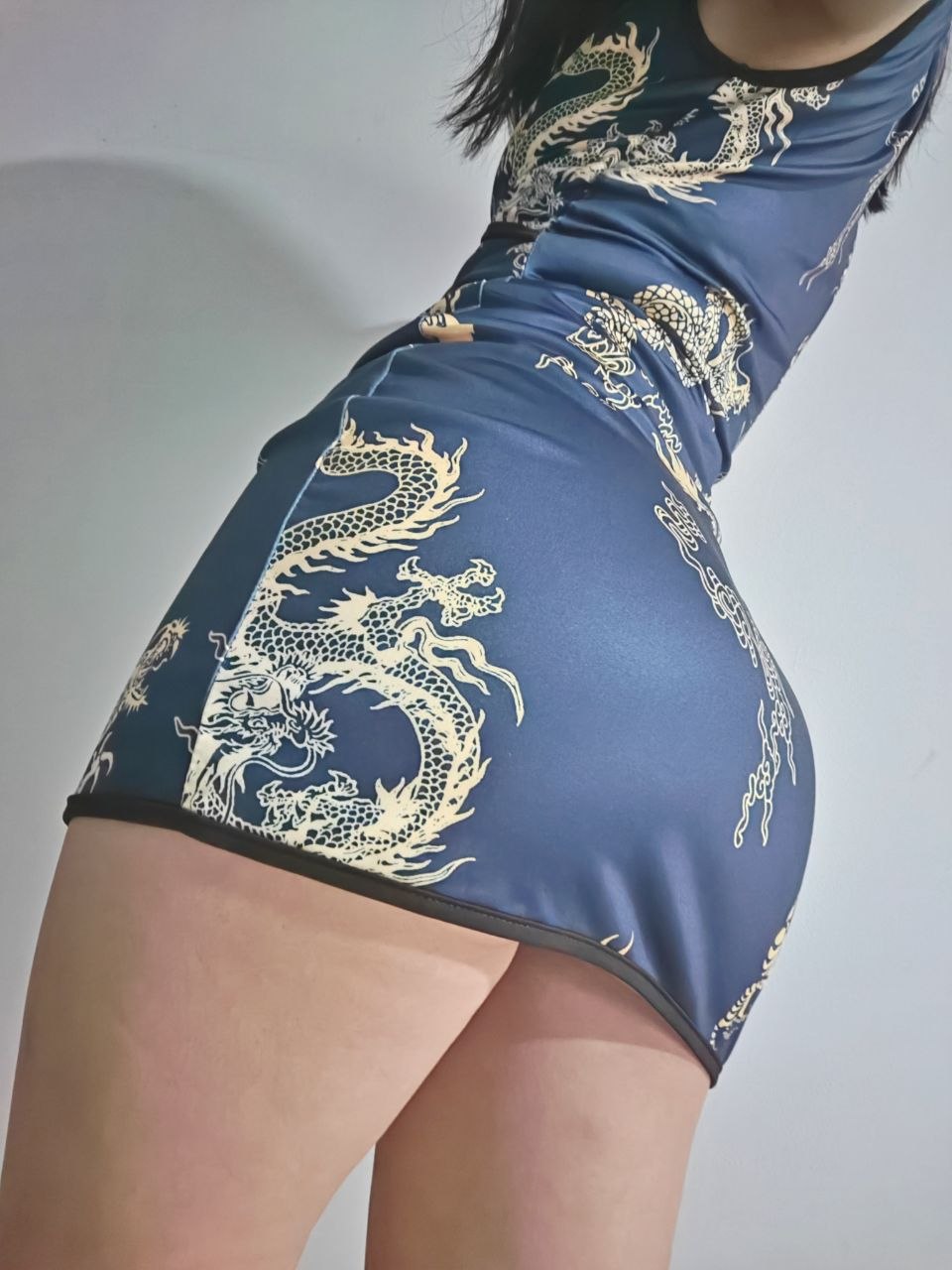
As a 5’1 petite Asian woman and a healthcare professional sharing my fitness journey over at Fit Petite Asian, I’ve seen how smart booty training and effective glute workout routines can really boost your shape, strength, and confidence. Being small doesn’t hold you back—petite women can absolutely build curves with the right exercises and a solid plan, and I’m proving it through my own fitness journey to get stronger.

Why Glute Workouts Are Different for Petite Women
Petite women face unique biomechanical challenges that standard fitness advice often overlooks. Shorter limbs change leverage during lifts, so what works for someone 5’8″ often fails for someone 5’1″. Typical programs assume average or taller frames, meaning default stance widths, step lengths, and range-of-motion cues can reduce glute activation and increase knee and hip stress. In squats especially, petite women tend to overuse quads and underuse glutes because most coaching ignores shorter femurs, making a tailored exercise selection and setup essential for effective glute training on a smaller frame.
When you’re petite, every bit of muscle makes a visible difference — but only if you’re training smart. It’s worth checking out the most common fitness mistakes petite Asian women make so you’re not accidentally leaving gains on the table. Strong glutes can build curves:
- Shape and enhance your lower-body curves
- Support your lower back and improve posture
- Build strength for everyday tasks
- Boost performance in running, jumping, and sports
The key is choosing exercises that load the glutes effectively without overwhelming smaller joints, and that’s exactly what the moves below do.
My Favourite Glute Exercises
Now let’s break down the core exercises and how to tailor them to a petite frame.
1. Squats: Build Overall Lower-Body Strength
Squats are a classic for a reason. They target the glutes, quads, and hamstrings, and they’re excellent for building full lower-body strength in a compact, efficient way. Petite women often have a lower center of gravity, which can actually make squats feel more stable once you learn good technique.
Form Tips for Petite Frames

- Stance: Start with feet about shoulder-width apart and toes slightly turned out. If you have shorter legs, this may feel quite natural.
- Depth: Aim to squat until your thighs are at least parallel to the floor. Go deeper only if your hips and knees feel comfortable.
- Torso angle: With a petite torso, you may naturally lean slightly forward—that’s fine as long as your back stays neutral (no rounding).
- Knees: Track them in line with your toes; don’t let them cave in.
- Core: Brace your core like you’re about to cough to support your spine.
Why squats work well for petite women: Shorter femurs (thigh bones) can make it easier to keep balance and maintain form, allowing you to progress weight safely over time.
Sets & reps: 3–4 sets of 8–12 reps with a weight that challenges you, leaving 1–2 reps in the tank.
2. Glute Bridges
If you feel knee pain during squats, check your foot position first — toes slightly turned out often helps. Persistent pain behind the kneecap is a sign to reduce your depth or switch to box squats until it settles.
Glute bridges are one of the most effective, joint-friendly moves for directly targeting and growing your glutes. Done flat on the floor with just your body weight or a light dumbbell, they’re perfect for petite women who want safe, controlled glute activation at home or in the gym.
Form Tips for Petite Frames
- Foot placement: Feet hip-width apart, shins vertical at the top. Adjust until you feel it in your glutes.
- Foot placement: Feet hip-width apart, shins vertical at the top. Adjust slightly forward or back until you feel it squarely in your glutes.
- Top position: Squeeze your glutes hard, keep your ribs down, and avoid over-arching your lower back — for both moves.
Why these work well for petite women: These moves are highly adjustable to shorter limbs — tweak bench height, foot position, and range of motion for hip thrusts, and enjoy the naturally controlled, joint-friendly range of motion that glute bridges offer on the floor.
Sets & reps: 3 sets of 12–20 reps. Focus on a full squeeze and slow control, not rushing through.
3. Donkey Kicks: Target the Upper Glutes
Donkey kicks are a bodyweight move that really light up the upper glutes. They’re great as a warm-up to activate your muscles or as a burnout at the end of your workout.
Form Tips for Petite Frames
Glute bridges are also a good option if you have knee discomfort or are returning from injury, since there’s no knee load involved. Functionally, stronger glutes directly reduce strain on your lower back — especially useful if you spend long hours sitting.
- Setup: Start on hands and knees, wrists under shoulders, knees under hips.
- Spine: Keep a neutral spine—no arching or rounding as you move your leg.
- Movement: Lift one leg, keeping the knee bent at 90 degrees, and drive the sole of your foot up toward the ceiling without twisting your hips.
- Range of motion: Smaller frames sometimes try to “overkick” to get higher. Only lift as high as you can while keeping your core and hips steady.
- Progression: Add ankle weights or a resistance band around your thighs.
Why donkey kicks work well for petite women: They isolate the glutes without needing heavy weights, perfect if you’re training at home or protecting sensitive knees and hips.
Sets & reps: 2–3 sets of 15–20 reps per leg. Expect a strong burn.
4. Lunges: Single-Leg Strength and Balance
Lunges challenge your balance, coordination, and single-leg strength. They’re amazing for building well-rounded glutes and legs, and they help even out side-to-side imbalances—common for everyone, but especially noticeable on petite frames.

Form Tips for Petite Frames
- Step length: Take a medium step forward or backward. Shorter legs mean you don’t need huge strides; overstepping can strain your hips.
- Front knee: Bend it to about 90 degrees and keep it stacked over your ankle, not collapsing inward.
- Torso: Stay tall with a slight forward lean from the hips to load the glutes more.
- Options: Try reverse lunges (stepping back) if forward lunges bother your knees, or walking lunges for a challenge.
Why lunges work well for petite women: You can adjust step length easily to suit shorter legs, and the unilateral (single-leg) work helps your glutes grow evenly while improving stability.
Sets & reps: 3 sets of 8–12 reps per leg with bodyweight or light to moderate dumbbells.
How Often Should Petite Women Train Glutes?
Most petite women do well with 2–3 dedicated glute sessions per week. Your muscles need enough stimulus to grow, but also enough rest to recover. Because your limbs are typically shorter, you may be able to handle slightly higher training frequency and volume, as long as you’re not going to failure every set.
Complete Glute Workout Routine: Sets & Reps for Glute Growth
Here’s a simple 2-day-per-week plan using the exercises above. Rest 60–90 seconds between sets unless noted.
Day 1: Strength and Shape

- Squats – 4 sets of 8–10 reps
- Glute bridges – 4 sets of 8–10 reps
- Reverse lunges – 3 sets of 8–10 reps per leg
Day 2: Volume and Glute Burn
- Glute bridges – 3 sets of 12–15 reps
- Walking lunges – 3 sets of 12 steps per leg
- Single-leg glute bridges – 3 sets of 10–12 reps per leg
- Donkey kicks – 2–3 sets of 15–20 reps per leg
If you’re struggling to see results, read my guide on why petite women struggle to grow glutes. If you would like to know more about progressive overloading of muscles, read this guide on progressive overload for petite women and glute growth.
Motivation will spike and crash — that’s normal. What actually works is behavioural design: building your routine around the life you already have, so fitness happens automatically even on your most exhausting days. Read more about why motivation fails and what to do instead ↗
Stick with this plan for at least 6–8 weeks, gradually increasing weight or reps whenever you can complete all sets with solid form.
Extra Tips for Petite Glute Gains
- Fuel your training. Eat enough protein and overall calories to support muscle growth—petite doesn’t mean you need to under-eat.
- Be patient and consistent. Smaller bodies can show changes quickly, but real, lasting muscle still takes time.
Your height doesn’t limit your potential for strong, sculpted glutes. With smart exercise choices, attention to form, and a bit of patience, you can build a powerful lower body that supports your lifestyle and makes you feel confident in and out of the gym. Explore more guides and tips on fitness for petite women.
💡💡 Clinical Tips for Safer Glute Training
As a healthcare professional, I pay close attention to movement quality, injury prevention, and long-term joint health. These are some of the clinical considerations I use when designing my own workout.
- Knee pain when you squat? First, change your foot stance so your toes point out a little. If the pain stays, squat less deep or use a box to sit back on until it feels better.
- Glute bridges are joint-friendly. There’s no knee load involved, making them ideal if you have knee discomfort. Stronger glutes also directly reduce strain on your lower back — especially if you sit for long hours.
- Hypermobility or knee sensitivity? Reverse lunges are a safer bet — the stepping-back motion keeps you more stable and reduces stress on the knee joint. As a 5’1 petite woman, I found them much easier to control when I first started training glutes.
- Use the mind-muscle connection. Before each rep, consciously squeeze and “wake up” your glutes. Petite women often over-recruit the quads or hip flexors — focusing your attention on the mind-muscle connection helps redirect the effort where it counts.
- Modify, don’t skip. If something hurts, adjust the range of motion, reduce load, or swap for a gentler variation. Consistency over time beats one perfect session.
Leave a Reply