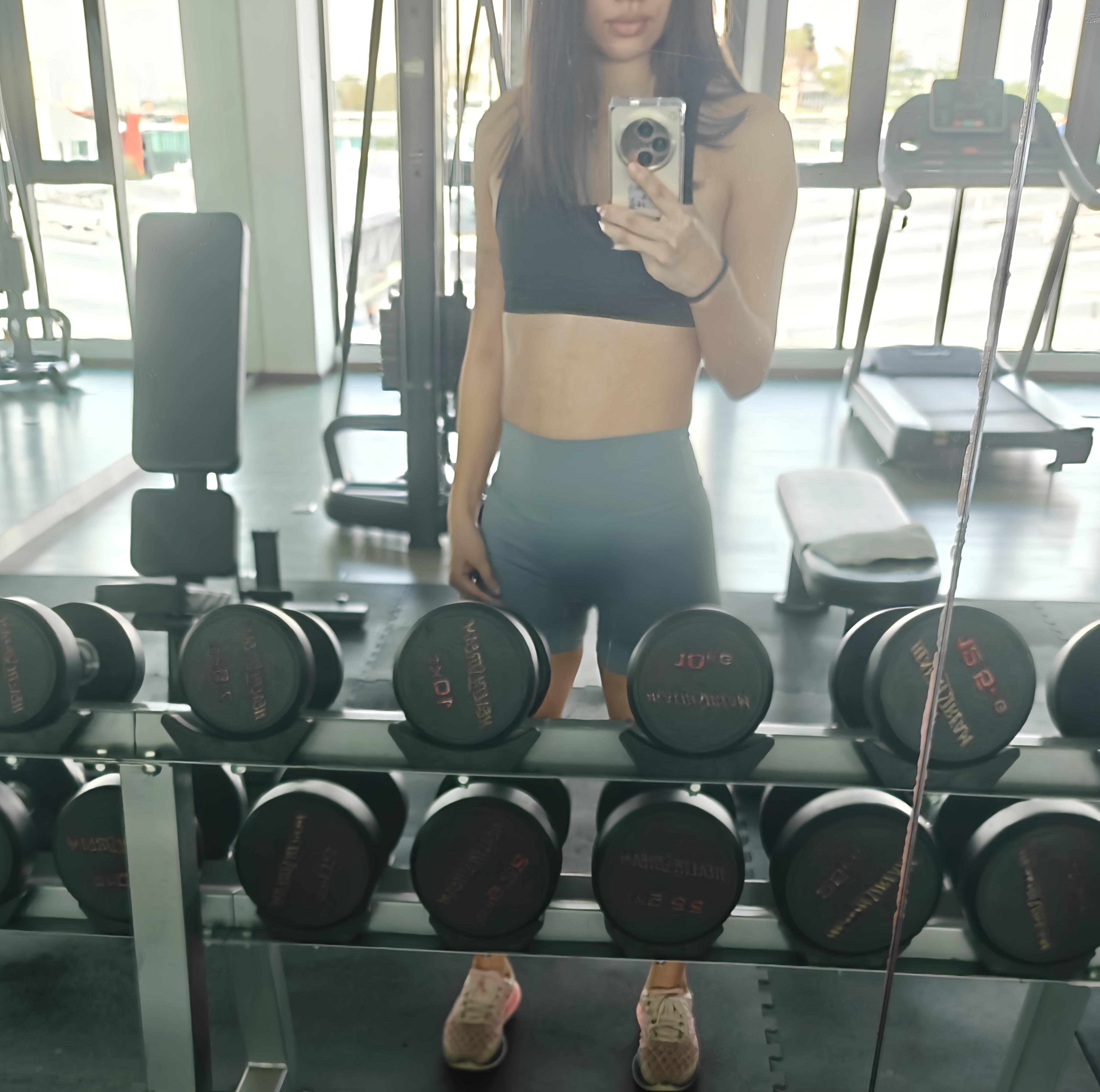
Being petite is an advantage in the gym—you’ll often find it easier to control movements and build strength. But for many of us who grew up in Asian cultures, we were told to stay slim, small, and “delicate”—like building visible muscle would make us less feminine or attract unwanted comments from family and friends.
So if you’re following fitness advice made for taller women and trying to unlearn those expectations, it’s completely normal to feel frustrated and stuck. That frustration often comes down to motivation being unreliable by design — Understanding why motivation keeps failing you is the first step to building habits that actually stick.
I’m Jassberryy — and if you want to know a little more about the fit petite Asian woman behind this blog, my story is right here. But first — here are five mistakes I see petite women make all the time, and the easy fixes that actually work (yes, even if people around you don’t “get” why you’re lifting).
1. Only Lifting Light Weights

Many Asian women have “skinny fat” bodies—slim on the outside but with little muscle underneath. The solution isn’t eating less or doing more cardio; it’s lifting weights. Muscle creates shape and definition. For petite women especially, building strength is what creates real curves and a toned silhouette with targeted glute work. But Asian culture often celebrates softness in women’s bodies, not strength, so many stay stuck with light weights because they fear building “too much” muscle. Here’s the truth: strength makes you lean, defined, and curvy in the right places—not bulky.
Your body needs to work hard to change. Light weights mean slow or no progress, and you’ll feel like you’re wasting your time at the gym.
What to do instead
- Use weights that feel challenging by the last 1–2 reps. You should feel like you’re working hard, but still doing it safely.
- Lift 2–3 times per week. Focus on big movements: squats (bending your knees), deadlifts (lifting from the ground), pushes, and rows (pulling a weight toward you — great for your back and posture).
- When it gets easier, add a little more weight next week. Slow progress is still progress.
- Mix strength training with other activities you enjoy for variety.
2. Copying Exercises Designed for Taller Bodies

Many popular programs are demonstrated by taller women. What looks easy for them might feel awkward or painful on a petite frame with shorter limbs and different proportions. Even within Asian fitness spaces, most “petite” influencers are 163–168cm, not truly petite. For genuinely petite women (148–157cm), the form and range of motion feels completely different.
You’re not doing it wrong. Your body is just built differently, and that’s okay. You just need to adjust exercises to fit your frame.
What to do instead
- Stand a bit narrower than you see online. A narrower stance usually feels better for petite women.
- Adjust equipment to your height. Use step-ups or blocks if you can’t reach the bar or machine properly.
- Use dumbbells instead of barbells when they feel more comfortable for you. Both work great.
- Notice how your body feels. If something hurts, adjust it. Your body is the expert on what works for you.
3. Being Obsessed with the Scale

This one hits especially close to home for a lot of Asian women growing up in Asian countries like Singapore. The scale was practically a cultural ritual — relatives commenting on your weight at family dinners, or framing weight gain as a blessing, saying things like, “fu qi” (meaning good fortune) — as if a fuller body signals prosperity and luck. So it makes sense that petite women often pick a “goal weight” that’s actually too low, or panic when the number goes up — even when that’s just muscle being built.
Ignore the scale. Focus on how you look and feel instead. Strength is what creates the body shape you want, and taking progress photos in gym outfits that flatter a petite frame can help you actually see those changes over time.
What to do instead
- Track how much stronger you’re getting. Can you do more push-ups? Carry heavier bags? That’s real progress.
- Take progress photos. Your camera doesn’t lie—you’ll see changes the scale won’t show.
- Notice how your clothes fit. That’s often a better sign of progress than a number.
- If you feel stronger, have energy, and like how you look, you’re on the right track.
4. Not Eating Enough

In many Asian households, eating less is quietly praised. Small portions, skipping meals, being ‘not a big eater’ — these are seen as virtues, especially for women. So many petite Asian women eat very little because they think less food means a smaller body. But when you’re training, undereating is one of the fastest ways to kill your progress. Your body goes into survival mode, holds onto fat, and starts breaking down the muscle you’re working so hard to build.
You don’t need to eat a lot, but you need to eat enough to support your workouts and health.
What to do instead
- Include protein at every meal: chicken, fish, eggs, tofu, yogurt, or beans. This builds and maintains muscle.
- Eat a balanced plate: protein + vegetables + a carb (rice, bread, fruit) + healthy fat (oil, nuts, avocado).
- If you’re always cold, dizzy, or exhausted, you’re not eating enough. Increase your portions slightly.
- Eat regularly throughout the day rather than waiting until you’re starving.
5. Skipping Stretching and Recovery

Here’s what often happens: you feel like because your body is smaller, you don’t “need” as much rest as taller people. Or you think that doing more will speed up results, so you skip the stretching and take fewer rest days. Maybe you’re worried that taking time off means losing momentum. But here’s the truth: your muscles don’t grow while you’re working out. They grow while you’re resting. Recovery isn’t a luxury; it’s where the actual transformation happens. Without it, you’re just spinning your wheels, getting tired, and potentially hurting yourself.
Plus, your muscles grow and get stronger while you rest, not while you’re working out. Rest is part of the training.
What to do instead
- Spend 5–10 minutes warming up before you lift. Do arm circles, leg swings, and a few bodyweight squats.
- Stretch or do light mobility work once or twice per week. Focus on hips, shoulders, and your back.
- Sleep 7–9 hours per night. This is when your body repairs and builds muscle.
- Take at least one full rest day per week where you don’t do intense exercise.
Start Here
Being petite is not a problem. It’s built to be strong. Train in a way that respects your shape and give your body what it needs. If you grew up in Asian culture, you were probably told your body should be small and unimposing. Building strength on your own terms is an act of reclamation—saying: I get to be both petite and powerful. Explore petite fitness guides and tips to building a fit toned physique and learn more about your petite Asian fitness journey.
Pick one or two changes from this list and try them for 2–4 weeks. Small, consistent changes create big results. Nobody taught you that your body deserved strength or that taking up space was okay. But you’re here now. Start today—not perfectly, just honestly. You’ve got this.
Leave a Reply